
OpenAI launches an academic plan for GPT‑Rosalind, currently limited to US university labs

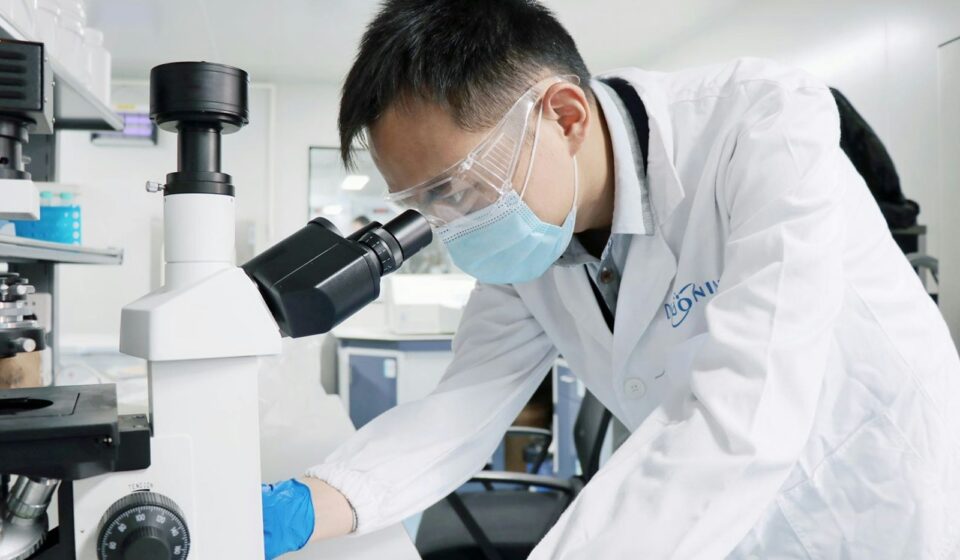
On October 15, 2026, OpenAI announced an academic plan allowing eligible university laboratories to use GPT‑Rosalind, a model specializing in life sciences. The offer has a limited scope: it starts at United States universities, requires access approval and includes neither API access nor API credits.
English edition: Lin Wei · AI-assisted writing
Virtual editorial direction: Leonidas Ferraz
Original edition: October 16, 2026 · Translation: October 18, 2026
What the program offers
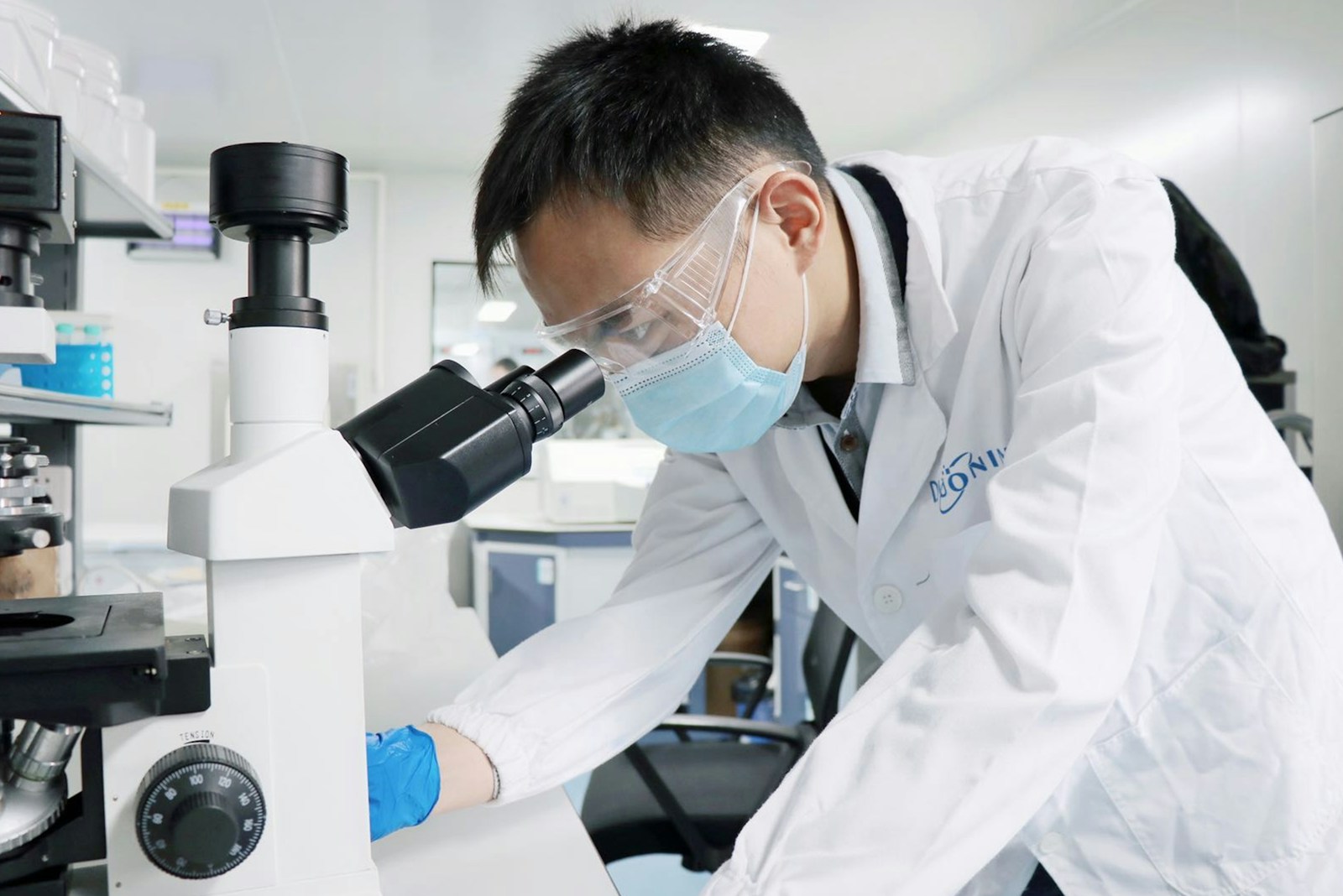
According to the official announcement, approved laboratories can receive up to 30 ChatGPT Business Standard seats at no cost per user for up to 12 months. The package includes commercially available models within the plan’s limits and access to GPT‑Rosalind after a trusted-access approval process.
OpenAI presents GPT‑Rosalind as a specialized tool for workflows in biology, medicinal chemistry, genomics, protein design and experimental assistance. These are company claims about its capabilities; they do not demonstrate that the model independently produces clinical discoveries, safe medicines or reproducible results.
The conditions limiting the announcement
- The offer currently targets laboratories at US universities.
- A principal investigator or laboratory lead must apply; approval is not automatic.
- Universities with an Enterprise agreement must arrange access through their institutional channel.
- The academic offer includes neither API access nor API credits.
- The operational guide states that a payment card is required to set up the offer, even though sponsored seats cost USD 0 during the approved period.
- Access remains subject to usage limits, institutional verification and safety controls.
The company also states that research data shared through this plan is not used to train its models by default. Teams should nevertheless review their university’s policies, applicable terms and obligations concerning confidential information, intellectual property, biosafety and personal data before uploading materials.
What it means for Ecuador
The announcement does not open an equivalent application process for Ecuadorian universities. It should therefore not be presented as a scholarship available in Ecuador or as general free access for students. Its local relevance is a market signal: AI providers are creating sector-specific plans combining advanced tools, collaborative workspaces and authorization procedures for sensitive research.
For Ecuadorian universities, responsible adoption would require first assessing data residency and protection, institutional control of accounts, the traceability of results, costs after the sponsored period and independent scientific validation. UNESCO’s guidance on generative AI in education and research recommends a human-centered approach, with data protection and ethical and pedagogical validation.
What cannot yet be claimed
The announcement describes availability and access conditions, but does not provide an independent evaluation of performance in academic laboratories or peer-reviewed comparative results for this arrangement. Nor does it demonstrate clinical impact. Actual usefulness will depend on the problem, data quality, expert oversight and reproduction of results through conventional scientific methods.
Sources consulted in the original report
- OpenAI: Bringing GPT‑Rosalind to academic research labs, October 15, 2026.
- OpenAI Help Center: Rosalind Academic Plan, consulted October 16, 2026.
- OpenAI Help Center: GPT‑Rosalind for life sciences research, consulted October 16, 2026.
- UNESCO: Guidance for generative AI in education and research, published in 2023; update consulted in 2026.