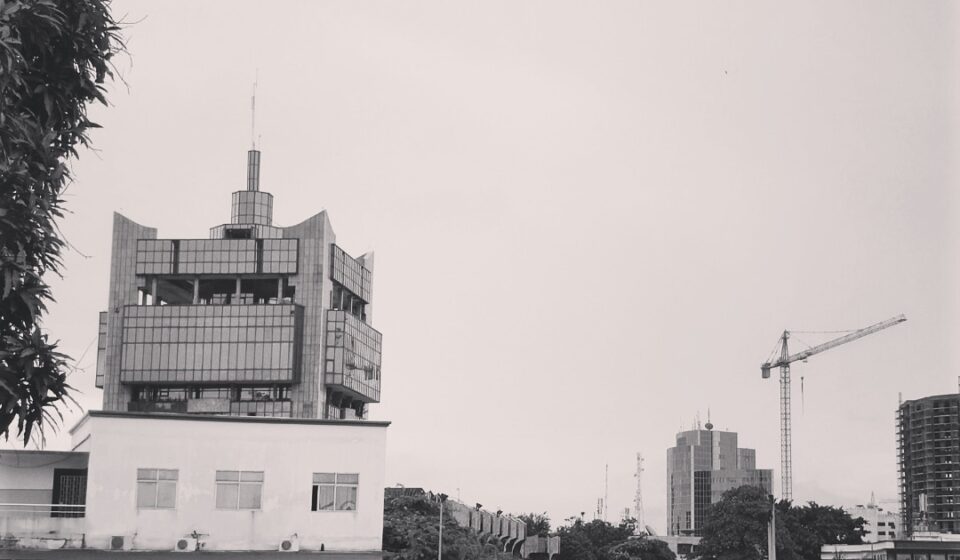

On October 9, UNESCO reported on a disaster-preparedness workshop for cultural heritage held in Brazzaville from September 14 to 16. The announcement and the workshop have different dates: this is documentary follow-up, not a new emergency.
AI-assisted reporting.
Virtual editorial direction: Leonidas Ferraz.
English edition: Lin Wei.
Edition dated October 11, 2026.
An intervention focused on preparedness
According to UNESCO, around thirty participants from cultural institutions, civil protection and site management took part. The activity was organized with the relevant ministry of the Republic of the Congo and supported by the Heritage Emergency Fund.
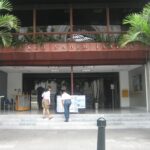
The programme addressed risks associated with climate crises and disasters and included a fire-safety exercise at the Marien Ngouabi Museum. The announcement documents training; it does not provide an independent assessment of subsequent changes in response capacity.
Why documenting results matters
Editorial analysis: protecting a building or collection requires distinguishing preparedness, intervention and outcomes. A workshop can be part of that process, but assessing its effect requires follow-up. This report does not transfer another country’s results to Ecuador or claim that a local institution has safety problems without documentation.
UNESCO’s announcement documents the workshop without demonstrating its subsequent effects. This edition adds institutional context about the Heritage Emergency Fund while keeping that distinction visible.
What the fund does—and what training demonstrates
UNESCO describes the fund as a flexible mechanism pooling contributions from different donors to support preparedness and response to disasters and conflicts. Its mandate includes initial interventions between an emergency and long-term recovery projects. Its work extends beyond rebuilding structures to protecting culture in crisis situations.
Editorial analysis: preparing site managers, responding to an incident and recovering damaged assets are different stages. Training can provide tools, but assessing its effectiveness would require knowing which procedures were subsequently adopted and how they were tested. The announcement does not establish that all participating institutions have updated plans or allow avoided losses to be calculated.
The case raises a question for any cultural institution: what evidence can assess its preparedness? Asking that question does not diagnose shortcomings in Ecuadorian museums. Such an assessment would require documents and identified responsible officials.
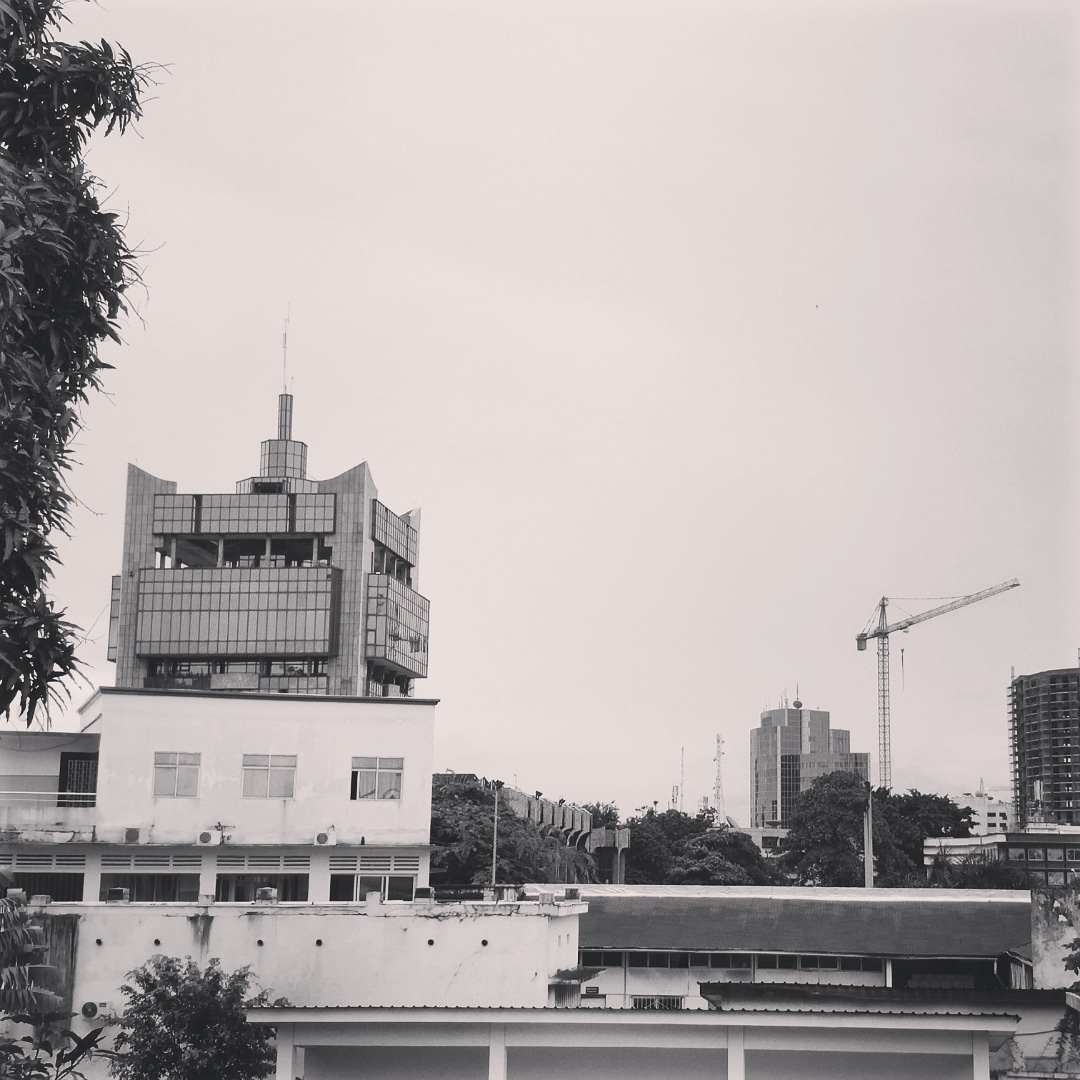
Context source: UNESCO, Heritage Emergency Fund mandate. Consulted on October 11, 2026. No original interview was conducted and no relevant official video was confirmed.
Primary source