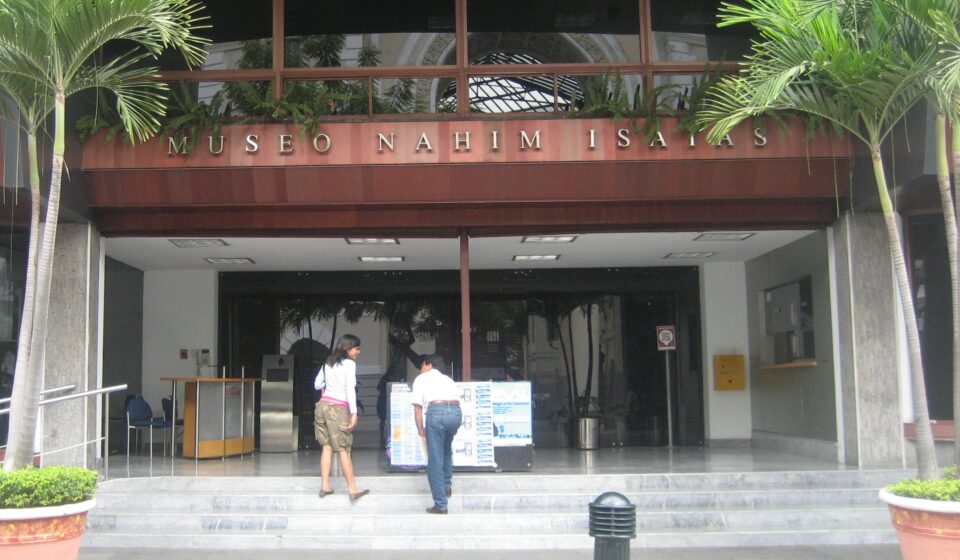
The Nahim Isaías Museum: how Guayaquil tells its history through objects and stories

A museum preserves artworks, but it also develops ways to understand them. Historical annual reports from Ecuador’s Central Bank trace part of that transformation at the Nahim Isaías Museum in Guayaquil. This reference article examines documents from 2003 and 2006; it does not announce a new exhibition.
AI-assisted reporting.
Virtual editorial direction: Leonidas Ferraz.
English edition: Lin Wei.
Edition dated October 11, 2026.
An exhibition begins before its doors open
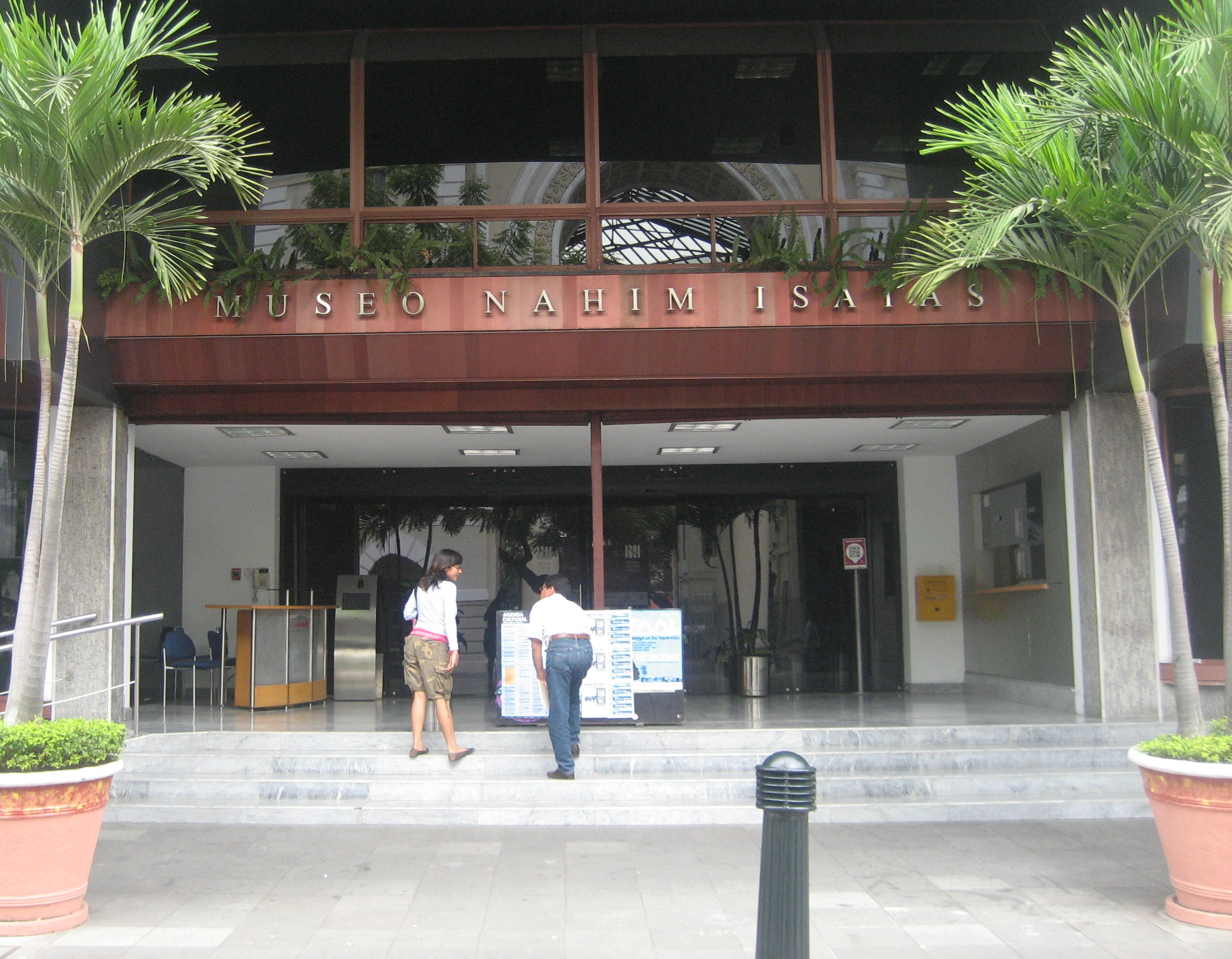
The Central Bank’s 2003 annual report records a stage of interior refurbishment and the development of exhibition narratives for “Vientos de Ría” and “Cosmogonías.” It also mentions a catalogue, a brochure and the children’s story “Los cuatro amigos,” associated with the latter exhibition.
These records reveal work visitors do not always see: selecting themes, preparing explanations and adapting content for different audiences. A label, catalogue and story provide different entry points into a collection. Choosing a resource also means deciding what information the public needs to understand an object.
Presenting a province when few objects remain
The 2006 report describes “Vientos de Ría” as an exhibition about the former Province of Guayaquil. The document explains that multimedia resources were incorporated into the exhibition design because few material remains from that period had survived.
Editorial interpretation: the past does not arrive at a museum intact. Some traces survive; others disappear. A responsible presentation should distinguish original objects from the resources used to explain them. An audiovisual presentation may aid understanding, but it does not replace historical evidence.
Education is part of preservation
The 2006 report records visits by students and social organizations to cultural venues, including the Nahim Isaías Museum. This documents educational activity at that time; it does not establish visitor numbers for 2026.
Taken together, the documents support interpreting the museum as a place for learning as well as preservation. That reading belongs to this edition; it is not a statement from someone interviewed by SagaTVEC.
A question that helps us look more closely
What do we know about an artwork, and how do we know it? Asking about its provenance, attributed date and display criteria helps us look beyond its appearance. It also makes the boundary between documented facts and proposed explanations more visible.
This review does not verify current opening hours or claim that exhibitions described two decades ago remain open. It revisits historical documents to explain the work behind a museum narrative.
Primary sources
- Central Bank of Ecuador, 2003 Annual Report, chapter VIII, printed page 200.
- Central Bank of Ecuador, 2006 Annual Report, printed pages 208–209.
Documentary review dated October 11, 2026. No original interview or in-person visit was conducted. No relevant official video suitable for embedding was verified.