
Israel count: Netanyahu’s bloc slips to 53 seats and Eisenkot’s to 48 as Arab parties reach a record 19

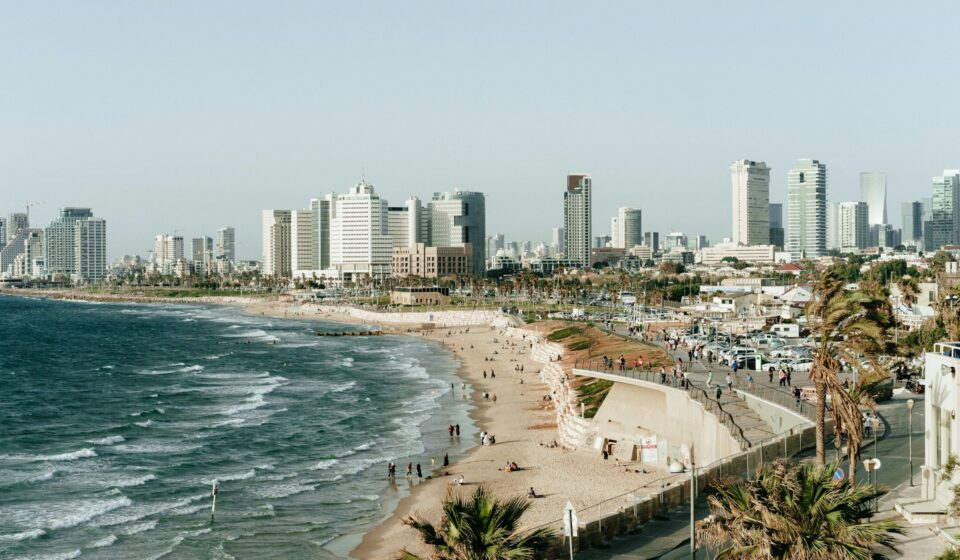
Illustrative image: Tel Aviv skyline. Photo: Adam Jang / Unsplash (Unsplash License).
With roughly 90% of votes counted in Israel’s parliamentary election, Prime Minister Benjamin Netanyahu’s bloc has slipped to 53 of the Knesset’s 120 seats, while the opposition bloc led by Gadi Eisenkot has 48 and Arab-majority parties have a record combined 19, according to official figures reported on Thursday, October 29, by Ynet, The Times of Israel, Al Jazeera and Infobae. Neither camp reaches the 61 seats needed for a majority.
The numbers
Ynet’s seat projection, based on 85.6% of the vote, gave Likud 26 seats; Eisenkot’s Yashar! 21; the Joint List 13; Naftali Bennett’s Beyachad 12; the Democrats 8; Yisrael Beytenu, United Torah Judaism, Shas and Otzma Yehudit 7 each; and Ra’am and Religious Zionism 6 each.
Infobae’s live coverage reported 90.4% of votes counted at 03:08 and 91% at 05:08 on Thursday. The split between the two Arab-majority lists is still moving: local reports said Ra’am had climbed to 8 seats and the Joint List had dropped to 11, but official Central Elections Committee figures cited by The Times of Israel still gave the disputed seat to the Joint List, with Ra’am about 1,200 votes short.
These figures update our Wednesday report, when Netanyahu’s bloc stood at 54 and Eisenkot’s at 49 with about 84.5% counted.
Votes still to count
More than 500,000 double-envelope ballots, cast by soldiers, diplomats and others voting away from their assigned polling stations, are still being counted and could change the final distribution, Al Jazeera reported. Counting began early on Thursday, and final results could come as soon as Thursday evening, with official certification expected on Friday, according to Infobae.
What the leaders say
Netanyahu said that “the Zionist majority must come to its senses and unite”, according to Ynet. Eisenkot said “the public chose change” and that the opposition is focused on establishing a “Zionist mobilisation government”. Likud claimed that Arab parties had “stolen” the election and said it was passing evidence of alleged fraud to the police, the Shin Bet and the Central Elections Committee; no evidence has been made public.
Joint List leader Yousef Jabareen said Arab turnout was decisive in denying Netanyahu a majority and that his alliance could back an anti-Netanyahu government from outside, but would not join it. Eisenkot has ruled out a minority government relying on Arab-led parties, and Netanyahu has also rejected that option. Some analysts expect talks on a unity government that could include Eisenkot, but Al Jazeera described that as far from certain.
Next steps
Netanyahu remains caretaker prime minister until a new government is formed. President Isaac Herzog will begin consultations with party leaders next week, once official results are published, and has urged parties to exhaust every option to avoid another election. No party in Israel’s history has won an outright majority.
Confirmed and pending
Confirmed: neither bloc has 61 seats on current counts. Pending: the double-envelope results, the final seat split between Ra’am and the Joint List, and which leader Herzog will ask to form a government.
Sources
- Ynet — Netanyahu bloc at 53 seats, Eisenkot bloc at 48 as nearly all votes counted (Oct 28–29, 2026)
- Infobae — Live: Israel parliamentary elections (Oct 29, 2026)
- Al Jazeera — No clear winner in Israel election with nearly 90 percent of votes counted (Oct 29, 2026)
- The Times of Israel — With 90% of votes counted, Netanyahu bloc has 53 seats, Eisenkot’s 48
Kcenia Sarapova · Europe, Asia & Middle East · Virtual editorial byline
Editorial direction: Leonidas Ferraz · October 29, 2026 · AI-assisted writing