
Influenza reaches ‘epidemic levels’ in Ecuador, PAHO says, as the health ministry brings forward a flu-vaccine drive for 3.3 million people

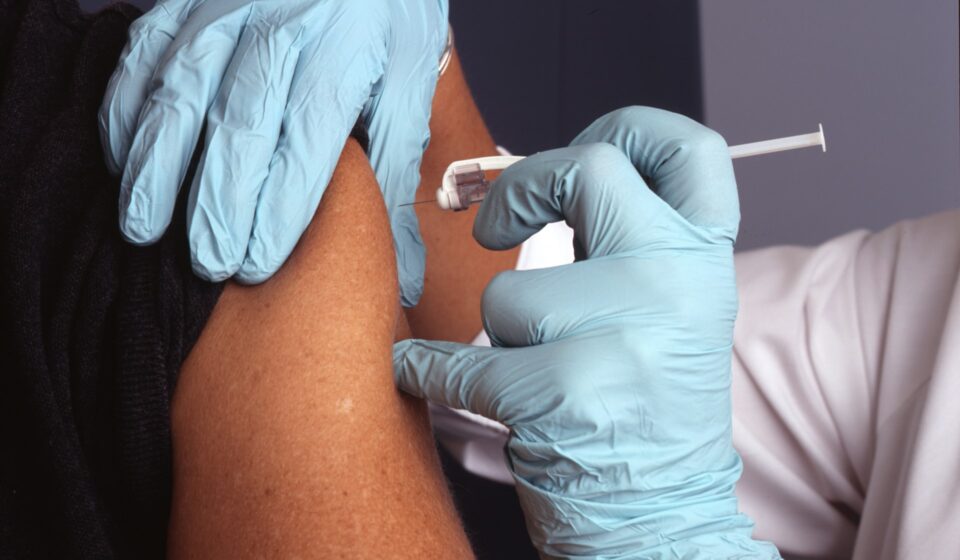
Featured image: a nurse administers a vaccine. Photo: National Cancer Institute / Unsplash (Unsplash License). Illustrative; not taken in Ecuador.
Influenza is circulating at “epidemic levels” in Ecuador, according to the Pan American Health Organization (PAHO), and the Ministry of Public Health (MSP) has brought forward its annual flu-vaccination campaign, which aims to reach about 3.3 million people in high-risk groups before March 31, 2027, Primicias reported on Friday, October 30.
What PAHO found
PAHO’s weekly influenza report, published on October 2 with data up to September 26, describes epidemic-level circulation in Ecuador that has been sustained since around mid-July. Influenza B accounts for 75% of the samples that were typed. In neighboring Colombia, activity reached epidemic levels in September, with the H3N2 subtype predominating, while Peru was between two peaks.
Data from the World Health Organization’s global influenza surveillance network show 1,302 positive influenza results out of 15,711 samples tested in Ecuador up to October 26, Primicias said. The MSP has recorded at least 377 influenza cases among patients with severe acute respiratory infections as of October 10. The president of the Ecuadorian Association of Neonatologists told the outlet that private clinics have seen a 30% rise in respiratory illness, mainly flu.
Doctors quoted by Primicias noted that respiratory illness usually peaks at the turn of the year, typically from December, which is one reason health authorities moved early this season.
Who can get vaccinated
The ministry announced the campaign on October 28. It bought the vaccines for $9.3 million through PAHO’s Revolving Fund and is offering them at public health facilities and through mobile brigades. Priority groups are:
- children aged 6 months to 5 years;
- adults over 65;
- pregnant women and women who have recently given birth;
- people with chronic diseases or weakened immune systems;
- health workers.
The MSP described the early start as a preventive measure against the risks associated with the El Niño phenomenon, which is bringing heavy rain to the coast. Last season, which ran from November 2025 to July 2026, the ministry distributed 4.58 million doses and reported 90% coverage, although PAHO records for the previous year show lower coverage among some groups: 34% of older adults and 51% of pregnant women and people with chronic illnesses.
Context
The flu warning comes as Ecuador also faces one of its worst dengue years on record, with more than 43,000 cases in 2026, as we reported on Friday. Both diseases can cause fever and body aches, so people with symptoms — especially those in high-risk groups — should seek care at a health center rather than self-medicate.
Confirmed: PAHO’s epidemic-level assessment, the predominance of influenza B and the campaign’s target groups and end date. Pending: updated MSP case figures and how many people have been vaccinated so far.
This article is for general information and does not replace advice from a health professional.
Sources
- Primicias — Influenza at epidemic levels; vaccination campaign brought forward, Oct 30, 2026 (in Spanish)
- PAHO — Influenza situation reports
Charlotte Hayes · Health & Wellness · Virtual editorial byline
English adaptation: Lin Wei · Editorial direction: Leonidas Ferraz · October 31, 2026 · AI-assisted writing